
Where do right and wrong come from?
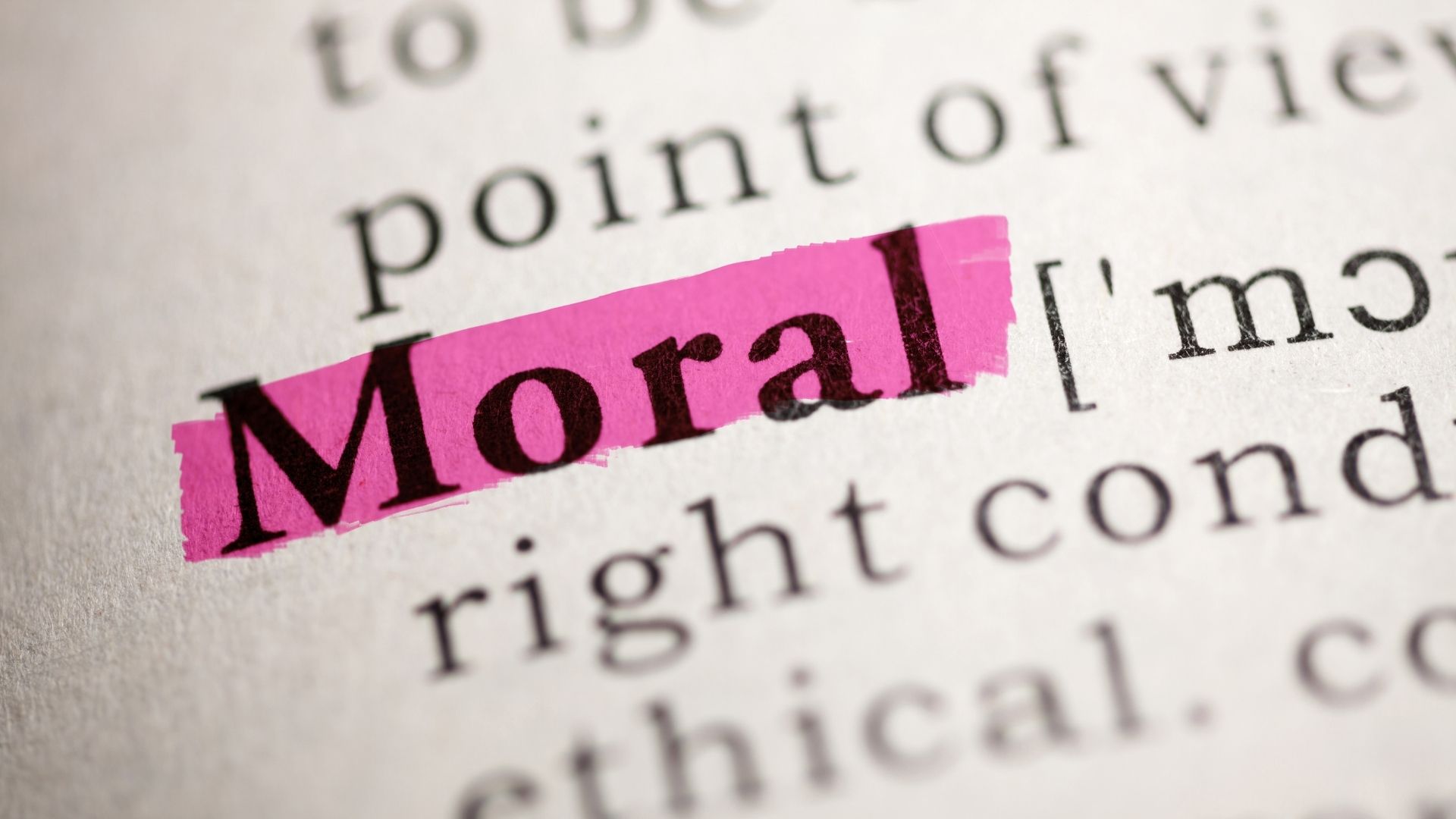
Philosophy is arguably the oldest way to study topics such as existence and death by criticizing and examining your own and other people’s thoughts. The study is the father behind today’s modern science and has been a driving force for society’s development. One of the oldest and most spoken philosophical questions is where do right and wrong come from? One of the most spoken theories to the question is the morality-comes-from-us theory that Stephen Law presents in The Philosophy Files.
The Morality-comes-from-us theory is built upon the feeling and boo-hoorah theory. Each of the theories offers a different way to look at the human fabrication of morality. The feeling theory explores the concept that morality depends on the person’s feelings on a certain topic. If I say “What you are doing is wrong”, then the claim that I made is true. Similarly, if I say “What you are doing is right”, that claim is also right. Right or wrong depends on the person’s approval according to the feeling theory. The boo-hoorah theory on the other hand expresses how you feel. The expression of your feeling itself is not a claim rather a statement. It’s neither right nor wrong, it is an expression. Morality is not objective, rather it depends on each individual’s perspective.
The theory brings an answer to why people have different moral standings. If there were an objective morality there would be a right or wrong regardless of individual thoughts. Questions and issues in politics, culture and family such as “Is abortion wrong?” would have a definite answer regardless of people’s thoughts on the matter. There would be the same objective fact as there is in science. However, by applying theory can morality be interpreted individually. The abortion issue has various perspectives, scenarios and layers. People value different aspects of that issue, such as religious beliefs or scientific facts. The aspects that we choose to give attention to shape our moral standing. The morality-comes-from-us theory allows various moral standings to coexist.
The counterargument to the morality-come-from-us theory that Law brings forward is the problem of contradiction. In the feeling theory, morality is dependent on the person’s claim on the topic. Two people can contradict each other and still be right according to the feeling theory. The same can be said for the boo-hoorah theory when expressing feelings on a topic. In Law´s words “two people can’t be right when they have oppositional views”. What Law overlooks is that he is following the morality-come-from-us theory by making his own statement on the topic. By saying that “the morality-comes- from-us theory is wrong” Law is making his own claim and expression on the topic. The ability to make a claim is the foundation of the theory. There is no objective right or wrong; instead, morality depends on the individual. What one person sees as right another can see as wrong depending on the person’s point of view. Contradictions do not devalue the theory, rather it proves the point of the theory.
To summarize, is the morality-comes-from-us theory one of the strongest and closest answers to the question: where do right and wrong come from? Although the reason for humans’ strong sense of wrong and right is unknown, is it unavoidable to deny that morality comes from humans. The same conclusion did Law reach at the end of The Philosophy Files. What we consider to be wrong and right is neither programmed in us as a sixth sense nor has been decided by God. Instead humans as individuals come up with the idea of right and wrong, adjust the idea of morality and will continue to change what morality means. So rather than asking where right and wrong come from should the more relevant question be why do humans have a sense of morality?

Reporter
Frida Durling,
Redaktionen